In Yogyakarta, a city long steeped in the tradition of seeking religious knowledge, learn khat from the very tip of the qalam to a piece ready for the wall. Naskhi comes first as your ground, then Riq'ah and Thuluth, with proportions weighed by the nuqthah dot. Suited to children, teens, adults, and seniors, through private sessions at your Yogyakarta home or online with calligraphers trained in the Arabi Method.
3 Khat StylesNaskhi, Riq'ah, and Thuluth, in gentle order
3 Khat StylesNaskhi, Riq'ah, and Thuluth, in gentle order
The Nuqthah RuleEach letter weighed by the dot
Metode ArabiTrained calligraphers
Every AgeChildren from 5 years to seniors
2 WaysAt your Yogyakarta home and online
3 Khat StylesNaskhi, Riq'ah, and Thuluth, in gentle order
The Nuqthah RuleEach letter weighed by the dot
Metode ArabiTrained calligraphers
Every AgeChildren from 5 years to seniors
2 WaysAt your Yogyakarta home and online
Quick Answer
What is the Arabic calligraphy (khat) course at Arabi in Yogyakarta?
The Metode Arabi for Arabic Calligraphy in Yogyakarta arranges every learning step gradually, in step with the culture of seeking knowledge already rooted in the lives of Muslim families in Yogyakarta. Arabi's Arabic calligraphy (khat) course in Yogyakarta teaches you to write Arabic letters with beauty and correct rule.
Key points
Strokes are weighed by the nuqthah dot unit, so each letter keeps its true proportion.
Naskhi is firmed up first as the parent style, before you rise to Riq'ah and Thuluth.
Every practice sheet is reviewed directly by the calligrapher, from line thickness to the gaps between letters.
Open to children from 5 years old, students, working professionals, and seniors across Yogyakarta.
Quick facts
Khat styles
Naskhi, Riq'ah, Thuluth
Unit of measure
The nuqthah dot from the qalam tip
How you learn
Private, at home in Yogyakarta and online
Age
5 years to seniors
Anatomy of the Material
What You Hold in Every Khat Session
The Metode Arabi for Arabic Calligraphy in Yogyakarta arranges every learning step gradually, in step with the culture of seeking knowledge already rooted in the lives of Muslim families in Yogyakarta. The material is arranged neatly, from rule sheets to sample pieces to copy, so your practice always has a correct reference.
01
The Nuqthah Rule Sheet
Shows the height of the alif, the width of the ba, and the measure of every letter in a number of rhombus dots, as a proven yardstick.
02
Graded Stroke Examples
Single letters, joins, then words and sentences, arranged from the easy to those that demand greater precision.
03
Tracing Practice Sheets
Faint patterns to trace over, training your hand to follow the path of the rule before you write on your own.
04
Reference Gallery of Works
Sample compositions of the basmalah, the asmaul husna, and short phrases, as inspiration and a guide for your first piece.
The material is prepared in layers according to your level and given step by step as the guidance unfolds.
The Path of Achievement
Khat Opens a Road, from Hobby to the MKQ Competition
For those who wish to reach further, Arabic calligraphy holds a real path of achievement through the Musabaqah Khattil Quran. This achievement rises alongside practice, and Arabi guides it honestly according to each student's ability.
The Naskah (Manuscript) Branch
Writing verses in the required and chosen styles neatly and correctly within a set time, training the speed and precision of the strokes.
The Decoration Branch (Mushaf Ornament)
Weaving writing together with ornament and color, calling for a ripe sense of space and aesthetic balance.
The Contemporary Branch
Exploring khat styles in free composition that still rests on the correct rules of the letters.
Arabi lays out the demands of each branch and guides its rules closely for students who show interest.
Child Readiness
Signs You Are Ready to Begin Khat
Before starting Arabic Calligraphy in Yogyakarta, this readiness list helps you judge the right time for your child, adjusting your family's learning rhythm in Yogyakarta to school activities and reciting the Quran in the kampung. Arabic calligraphy welcomes both the complete beginner and the already trained. The points below sketch how ready your hand and eye are, and the calligrapher settles your level through an opening consultation, shaped to your family's rhythm in Yogyakarta.
A Child Ready to Begin
Already able to hold a pen with a steady grip
Recognizes some of the hijaiyah letter shapes
Enjoys tracing lines and shapes with patience
Teens, Adults, and Seniors
Wishes to learn from the ground up or firm up a style you know
Willing to repeat strokes as practice at home
Has a regular window for one session each week
What Arabi Prepares
A free level-placement consultation
Rule sheets, stroke examples, and tracing practice
A qalam and tool guidance matched to your stage
The Learning Map
Six Khat Milestones, from the First Line to a Framed Piece
Six milestones that mark real progress, measured by the quality of your strokes and the steadiness of each stage.
Milestone 1
Controlled Lines and Dots
You canhold the qalam at the correct angle and produce clean thick and thin lines as well as tidy nuqthah dots.
Correct qalam angle
Thick and thin lines
Neat rhombus dots
Milestone 2
Single Naskhi Letters
You canThe 28 hijaiyah letters in the Naskhi style are written at the correct dot measure, both above and below the baseline.
28 Naskhi letters
Nuqthah measure for each letter
Position on the baseline
Milestone 3
Joins and Words
You canLetters join in their initial, medial, and final positions, forming words with balanced proportions.
Joins in three positions
Word proportion
Spacing between letters
Milestone 4
Sentences and Riq'ah
You canwrite neat short sentences and become acquainted with the Riq'ah khat, the compact style for quick writing.
Neat short sentences
Introduction to Riq'ah
Quick, readable writing
Milestone 5
The Majesty of Thuluth
You canbegin to master the broad curves and layered arrangement of the Thuluth khat, used for ornament and wall calligraphy.
Broad Thuluth curves
Layered arrangement
Wall ornament
Milestone 6
Composition Work
You canarrange a phrase within a single field, managing the empty space and border ornament, until the piece is worthy of framing.
Single field layout
Managing empty space
Border ornament and finishing
Each milestone is measured by the quality of your strokes, so you advance with a correct foundation at every step.
The Mark of Arabi Khat
What Sets Learning Khat at Arabi Apart
A few things that help your strokes find their beauty sooner.
Weighing by the Nuqthah Dot
You measure the height and width of each letter with the rhombus dot unit from the qalam tip. From here the strokes grow balanced, readable, and true to the correct rules of khat.
Drawing in Front of You
The calligrapher reveals the hand movements words cannot carry, from the tilt of the qalam to the weight of each pull, so you can copy them exactly.
Rising Once You Are Firm
One style is settled first, starting with Naskhi as the parent, before you move to Riq'ah and Thuluth, so the ground stays firm.
Classes
Ways to Learn Calligraphy
In Person
Private at Home
60 minutes per session
Contact us
The calligrapher comes to your home in Yogyakarta
Draws the example right in front of you
Strokes reviewed on every practice sheet
Pick a morning, evening, or holiday session
Online
Private Online
60 minutes per session
Contact us
Learn from home through the screen
The calligrapher draws the example live
You send photos of your practice for correction
Learning supported through the Arabi App
Why Arabi
What We Hold to in Every Khat Session
Strokes Reviewed on Every Sheet
The calligrapher marks wherever things need mending, from line thickness to letter spacing, so the proportion of your writing keeps gaining.
Rules Weighed by the Dot Unit
Each letter is measured by the nuqthah dot unit from the qalam tip, so your writing stays balanced and true to the standard rules.
Three Styles, Step by Step
Naskhi as the clear and readable parent, then the compact Riq'ah, up to the majestic Thuluth for ornamental works.
A Road to a Framed Piece
Guidance leads to the skill of arranging a whole composition, from the basmalah to a short phrase worthy of framing.
Understanding the Yogyakarta family rhythm
The Arabic Calligraphy schedule is designed flexibly around school activities, reciting the Quran after maghrib, and the routines of Muslim families in Yogyakarta.
Ustadz and ustadzah with adab
The Arabi teachers who guide Arabic Calligraphy in Yogyakarta are chosen from various campuses with the Metode Arabi standard, teaching with expertise and the spirit of a teacher.
Keeping the spirit of knowledge in the city of students
Arabi nurtures the culture of valuing knowledge already alive in Yogyakarta, guiding your child to learn Arabic Calligraphy with diligence, patience, and full adab.
Getting to Know Your City
Arabi Arabic Calligraphy in Yogyakarta
Yogyakarta is known as a city of students that holds a long tradition of Islamic scholarship, from the keraton surroundings to the santri kampungs around Kotagede and Kauman. Many Muslim families in Yogyakarta grow up familiar with the atmosphere of reciting the Quran after maghrib, majelis taklim in kampung mosques, and a culture of honoring religious knowledge. Arabi is present in Yogyakarta to nurture this learning tradition through an orderly method, so your child in Yogyakarta reads the Quran correctly and loves knowledge from an early age.
01
The santri kampung tradition
Areas like Kotagede and Kauman in Yogyakarta have long been centers of Islamic life, with old mosques and a living culture of reciting the Quran among the community.
02
A city of students that values knowledge
Yogyakarta is known as a city of students, and this spirit of seeking knowledge aligns with the way Arabi guides students to learn religion diligently and with adab.
03
Active mosques and majelis taklim
Many kampung mosques in Yogyakarta hold religious gatherings and Quran learning activities, so your child grows up in an environment that supports religious learning.
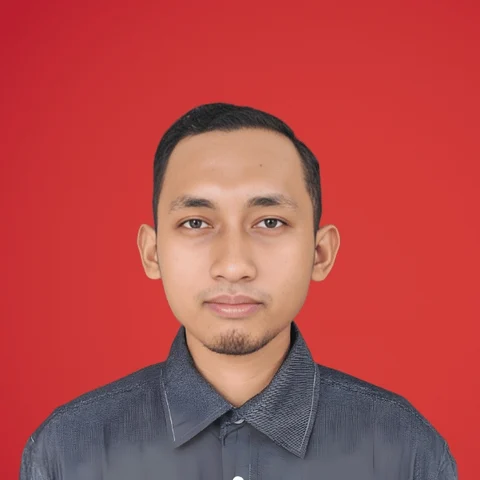
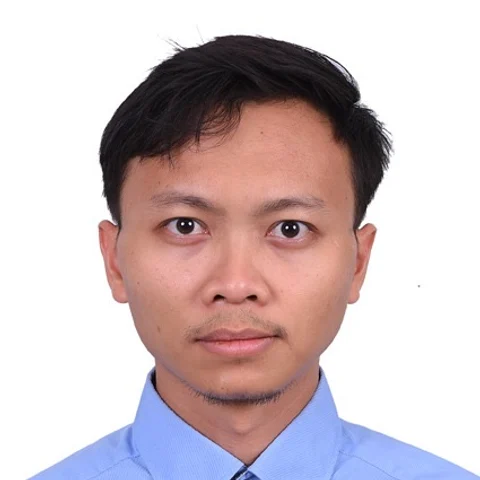
A glimpse of the real Arabi teachers who guide Arabic Calligraphy in Yogyakarta, chosen from leading campuses and trained in the Arabi method.
FUIN
Ustadz Fatur F.
Universitas Islam Negeri Prof. K.H. Saifuddin Zuhri PurwokertoPendidikan Bahasa Arab
Menumbuhkan rasa cinta pada bahasa Arab, memadukan latihan mendengar, berbicara, membaca, dan menulis secara seimbang. Adab dan pemahaman keislaman ditanam bersama pelajaran. Bekal akademiknya dari UIN menjadikan penjelasannya tertata dan mudah diikuti.
Bahasa Arab
Mengaji Al-Quran
Tahsin Tajwid
Akidah Akhlak
Studi Islam
WUIN
Ustadzah Windari S.
UIN Sunan KalijagaSejarah Peradaban Islam
Sabar menuntun santri yang baru mengenal Al-Quran, menjaga suasana belajar tetap tenang dan menyemangati. Adab dan pemahaman keislaman ditanam bersama pelajaran. Latar pendidikannya di UIN memperkuat cara ia mendampingi santri belajar.
Mengaji Al-Quran
Tahfidz
Bahasa Arab
Tahsin Tajwid
Studi Islam
MAl-Azhar Kairo
Ustadz Munawar A.
Universitas Al-Azhar, KairoIlmu Al-Quran dan Tafsir
Membimbing bacaan santri agar makhraj dan tajwidnya tepat, lalu mengajak memahami makna lewat tafsir yang ringan dicerna. Bacaan rapi, pemahaman bertambah.
Mengaji Al-Quran
Bahasa Arab
Tahfidz
Tahsin Tajwid
Tafsir
RAl-Azhar Kairo
Ustadz Rizqi A.
Universitas Al-Azhar, Kairo
Mengajar bahasa Arab dari dasar dengan bahasa yang mudah dicerna, sehingga santri berani berbicara dan menulis. Bekal ilmunya dari Al-Azhar Kairo membuat bimbingannya berakar pada keilmuan yang dalam.
Bahasa Arab
These are a few of the teachers; thousands more serve families across Indonesia.
FAQ
Questions About the Arabic Calligraphy Course in Yogyakarta
Can I learn Arabic calligraphy from scratch without knowing how to draw?
Yes. Arabic calligraphy asks for care and practice under correct rules, and anyone can train in it. You begin by gripping the qalam, drilling lines and dots, then weighing letters by the nuqthah unit. Arabi's calligraphers in Yogyakarta guide you step by step, so even a beginner who has never held a qalam can reach a piece worthy of framing.
What khat styles are taught at Arabi?
Arabi teaches three core styles in gentle order. Naskhi comes first because its forms are clear, easy to read, and serve as the parent of the rest. Once Naskhi stands firm, you meet the compact Riq'ah for quick writing, then the majestic Thuluth with its broad curves for ornament and wall pieces. Each style carries its own rule of measure, trained gradually.
What is the nuqthah rule in Arabic calligraphy?
The nuqthah is a rhombus-shaped dot unit printed from the tip of the qalam, used to weigh each letter. The height of the alif, the width of the ba, and the curve of a letter are all set by a certain count of dots. With this measure your writing grows balanced and true to the same rules of khat the masters have kept for generations.
What is the minimum age for a child in Yogyakarta to join the calligraphy course?
A child who can already hold a pen steadily and knows the hijaiyah letters is usually ready to begin, generally around 5 years and up. For children the guidance follows the steadiness of their hand and their span of focus, opening with simple lines and dots. A free consultation via WhatsApp 628164896943 helps us read your child's readiness.
Can the calligraphy course be done online?
Yes. Arabi runs khat classes at your Yogyakarta home or online through the screen. In an online class the calligrapher draws the example live and you send photos of your practice to be corrected on the spot. Online learning is also supported through the Arabi App, and registration is done through daftar.arabi.id.
Does Arabi prepare students for calligraphy competitions such as the MKQ?
Yes, for students who show interest. The Musabaqah Khattil Quran (MKQ) judges the beauty and rules of the writing across the naskah, decoration, and contemporary branches. Arabi's calligraphers guide the rules closely and lay out the demands of each branch. This preparation rises alongside practice, and we guide it honestly according to each student's ability.
How long does it take to be able to make a calligraphy piece?
The time differs from person to person because khat is measured by strokes that keep improving. What counts is diligent practice and the steadiness of each milestone, from controlled lines, to Naskhi letters, to joins, to composition. With regular practice and periodic correction, many students in Yogyakarta have produced a first basmalah piece worthy of framing within a few levels.
Does Arabi serve Arabic Calligraphy learning across all areas of Yogyakarta?
Yes, Arabi serves families across various areas of Yogyakarta such as Umbulharjo, Kotagede, Gondokusuman, Mergangsan, and the surrounding areas, with learning options adjusted to your child's needs in Yogyakarta.
How is Arabi's Arabic Calligraphy method suitable for children in Yogyakarta?
The Metode Arabi arranges Arabic Calligraphy learning gradually and so it stays, in step with the culture of seeking knowledge already rooted in Muslim families in Yogyakarta and the atmosphere of this city of students.
Can my child in Yogyakarta start from the basic level?
Of course, your child in Yogyakarta can start Arabic Calligraphy from the most basic level. Arabi's ustadz and ustadzah guide from the first introduction to advanced levels according to each student's age and ability in Yogyakarta.
Does Arabi reach Kotagede and Kauman in Yogyakarta?
Yes. Arabi teachers serve families across Yogyakarta, including Kotagede, Kauman, Umbulharjo, and other areas. Sessions run privately at your home or online, so Arabic Calligraphy stays accessible wherever you are in Yogyakarta.
Who It Is For
Khat Welcomes the Patient and the Diligent, at Any Age
Arabic calligraphy asks for care, patience, and repeated practice under correct rules. That is why Arabi opens khat classes in Yogyakarta for a spread of needs and ages, with guidance shaped to each learner, from the santri kampungs of Kotagede and Kauman to families across the city.
Children and Teens
Growing care and patience early, while planting a love for the letters of the Quran through strokes they enjoy making.
Students Who Love Writing as Art
Getting ready for the khattil Quran competition (MKQ) or making personal notes and works lovelier under correct rules.
Adults and Professionals
Turning a calming hobby into framed pieces for the home in Yogyakarta or a heartfelt gift for someone dear.
Seniors and Mosque Volunteers
Filling the day with meaningful, settling work, while gaining the skill to write mosque wall ornament and event decoration for the kampung.
Comparison
Learning Khat with Arabi Compared to Other Ways
Many parents in Yogyakarta compare learning to recite the Quran at home, joining kampung religious gatherings, or choosing structured Arabic Calligraphy guidance with Arabi. This comparison is laid out honestly so you in Yogyakarta can choose the path that suits your child best. There are many roads to Arabic calligraphy, and each has its own worth. Here is a fair picture, so you in Yogyakarta can choose with clear eyes while still honoring every option.
Aspect
Arabi Private Khat
Self-Study from Video
School Extracurricular
Stroke correction
Every stroke is reviewed directly by a calligrapher
No one mends the strokes, and errors in measure quietly take root
One teacher for many children, so review per student stays thin
Rule of measure
Weighed by the nuqthah dot unit from day one
Often guesswork with no standard yardstick
A basic introduction, the rule of measure rarely spelled out
Level arrangement
Levels ordered to match each student's progress
Rests on your own discipline to pick the order
Levels hard to order because time runs short
Place and schedule
Fitted to you, at your Yogyakarta home or online
Free to choose, yet with no guide at your side
Bound to the school's schedule and place
Pricing
Arabic Calligraphy Cost in Yogyakarta
This fee is the same for every Arabi teacher serving Yogyakarta and its surroundings, including Kotagede, Kauman, Umbulharjo. You are free to learn privately at home or online.
A1Foundational (introduction)Rp 55.100 / per session
A2Foundational (advanced)Rp 63.365 / per session
B1IntermediateRp 72.870 / per session
B2Intermediate (advanced)Rp 83.800 / per session
C1AdvancedRp 96.370 / per session
C2ProficientRp 110.826 / per session
Take a package, and the larger it is the more you save per session:
4 sessionsRp 73.000 per sessionRp 292.000
8 sessionsRp 70.000 per sessionRp 560.000
12 sessionsRp 68.000 per sessionRp 816.000
24 sessionsRp 65.500 per sessionRp 1.572.000
A single session: Rp 72.870 in person, Rp 55.100 online.
The beauty of khat begins with a single correct stroke. Tell us how far you know the letters and the qalam, and Arabi's calligrapher will help gauge which level you should start from. For children, teens, adults, and seniors. The opening consultation is free via WhatsApp, learning is available at home or online, and you may also register through daftar.arabi.id. Start the Arabic Calligraphy learning journey with Arabi in Yogyakarta today, and accompany your child to love the Quran and religious knowledge.